


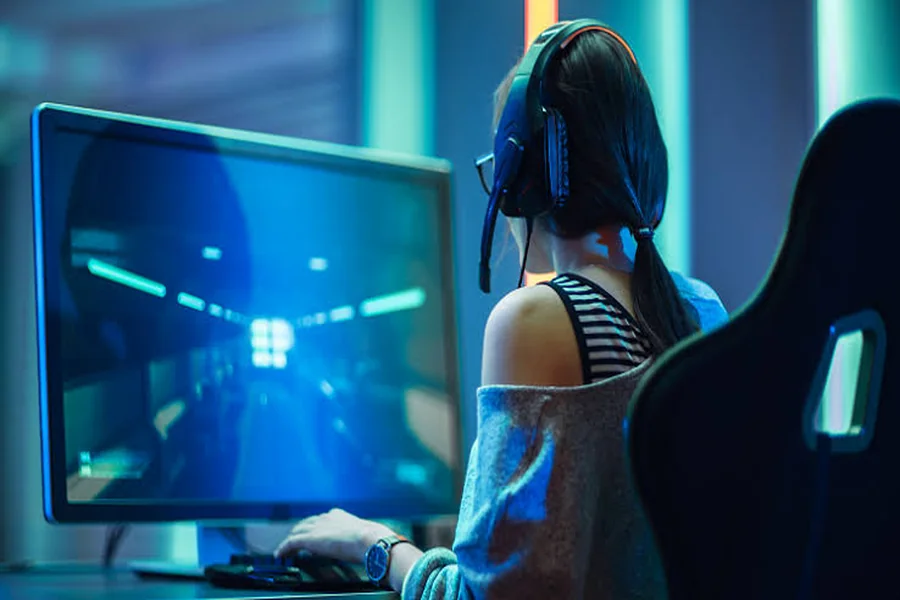
Online slot dana has become a major force in modern entertainment, changing how people play games and interact with one another. Instead of being limited to a single device or physical location, players can now enter connected digital environments and share experiences with people around the world.
The growth of online gaming has been supported by faster internet, powerful mobile devices, advanced graphics, cloud technology, and innovative game development. These improvements have created an industry that includes competitive gaming, live streaming, online communities, and professional opportunities.
The Transformation of Traditional Gaming
Gaming was once primarily an offline activity. Players usually experienced games alone or with friends who were physically nearby.
The introduction of internet connectivity changed the experience completely. Players could connect remotely and participate in the same digital environment.
As network technology became more reliable, developers began creating games with online interaction at their core.
A Connected Global Community
Online games allow people from different locations to interact in real time. A player can join a team or compete against someone living in another country.
This global reach has helped create communities based on common interests rather than physical proximity.
Gaming events and international competitions have made these connections even stronger.
The Appeal of Multiplayer Experiences
Multiplayer games are constantly changing because human players make different decisions in every session.
A strategy that works against one opponent may fail against another. Teammates can also introduce new ideas and approaches.
This unpredictability makes online gaming highly replayable and encourages players to continue improving.
Competition and Personal Goals
Online gaming often provides ranking systems, achievements, and statistics that allow players to measure progress.
Some players enjoy competing for higher rankings, while others focus on improving individual skills.
The ability to track progress creates a sense of accomplishment and gives players reasons to return to their favorite games.
Teamwork Makes a Difference
Cooperative games require players to communicate and coordinate their actions. Different team members may have different abilities and responsibilities.
A successful team understands how these roles work together.
Communication, timing, and adaptability are often just as important as individual technical skill.
Gaming as a Social Experience
Modern online games have become virtual meeting places for many users. Friends can communicate through voice chat and messaging while participating in matches.
Players can also meet new people through online communities.
For some users, the social interaction associated with gaming is just as important as the gameplay itself.
Mobile Devices Change the Market
Smartphones have made online gaming more accessible than ever. Users can participate without owning specialized gaming equipment.
Mobile games include simple casual titles as well as complex multiplayer experiences.
The portability of mobile devices means that players can access games from a variety of locations and during different periods of free time.
A Diverse Range of Genres
Online gaming offers something for nearly every preference. Action games focus on fast reactions and competitive encounters.
Strategy games reward careful planning and decision-making. Role-playing games allow players to develop characters and explore digital worlds.
Racing, sports, simulation, survival, puzzle, and adventure games add further variety.
The Professionalization of Gaming
Esports has turned competitive online gaming into a professional activity. Players can represent teams and compete in organized tournaments.
Professional competitors often train regularly and work with coaches and analysts.
The broader esports industry also requires event organizers, commentators, broadcasters, managers, and production professionals.
Streaming Expands the Gaming Audience
People do not have to play games to enjoy gaming content. Streaming platforms allow viewers to watch live gameplay and interact with creators.
Streamers may provide entertainment, tutorials, reviews, competitive matches, or commentary.
The growth of gaming streams has created new career opportunities and helped make gaming a major category of online content.
The Role of Gaming Communities
Online communities help players exchange information and stay connected.
Members share strategies, discuss updates, create guides, and help newcomers.
Many communities also produce fan-made videos, artwork, modifications, and other creative projects that add value to the gaming experience.
Technology Supporting Online Games
Modern online gaming requires sophisticated infrastructure. Servers process player actions and maintain synchronized environments.
Fast and stable internet connections help reduce latency and improve responsiveness.
Powerful hardware and modern game engines also allow developers to create realistic graphics, detailed environments, and complex gameplay systems.
Artificial Intelligence and Personalized Experiences
Artificial intelligence is becoming an important part of game development. AI can improve non-player characters and assist developers with different production tasks.
In the future, AI may allow games to respond more closely to individual users.
A game could potentially adjust its challenges, character behavior, or missions according to how a player interacts with the environment.
Virtual Reality and Immersion
Virtual reality offers a different way to experience online games. Players can use specialized headsets to enter digital environments and interact with them more naturally.
Multiplayer VR could create shared spaces where users communicate through digital avatars.
As technology improves, immersive gaming may become more accessible to mainstream audiences.
The Benefits of Responsible Gaming
Online gaming can provide entertainment and social interaction while encouraging certain forms of thinking.
Strategy games may involve planning and resource management, while cooperative games require communication and teamwork.
Creative games can allow players to build and experiment within virtual environments.
The Need for Healthy Limits
Gaming should be balanced with other parts of life. Excessive play can interfere with sleep, physical activity, education, work, and relationships.
Players should take regular breaks and maintain a schedule that leaves sufficient time for important responsibilities.
A balanced approach allows people to enjoy gaming without letting it become disruptive.
Online Safety and Privacy
Players should take steps to protect their digital accounts. Strong passwords and two-factor authentication can reduce the risk of unauthorized access.
Personal information should be kept private, especially when interacting with strangers.
Players should also avoid suspicious links, unofficial downloads, and requests for sensitive information.
The Business of Online Gaming
The gaming industry has become an important part of the global digital economy. Revenue comes from game sales, subscriptions, advertising, digital content, and online services.
Gaming supports professionals in programming, design, animation, marketing, customer service, streaming, esports, and event management.
As demand increases, the industry is likely to create even more opportunities.
Cloud Gaming and New Possibilities
Cloud gaming allows games to be processed on remote servers and delivered to users through the internet.
This approach could make demanding games accessible on less powerful devices.
Although internet quality remains a major consideration, continued improvements in connectivity could make cloud gaming more practical for a wider audience.
The Future of Online Gaming
Online gaming is likely to become increasingly intelligent, immersive, and social.
Artificial intelligence could create responsive characters and adaptive worlds. Cloud computing could improve accessibility across different devices.
Virtual reality and augmented reality may introduce new ways for players to interact, while gaming platforms could evolve into digital spaces for communication, events, and creativity.
Conclusion
Online slot gratis saldo has grown from a simple multiplayer concept into a global digital ecosystem. It combines entertainment with competition, teamwork, communication, creativity, and technology.
The continued development of mobile devices, esports, streaming, artificial intelligence, cloud computing, and immersive technologies will shape the next generation of gaming.
When enjoyed responsibly and safely, online gaming can provide engaging experiences and meaningful social connections. As technology continues to advance, connected gaming will remain an important part of modern entertainment and digital culture.
