


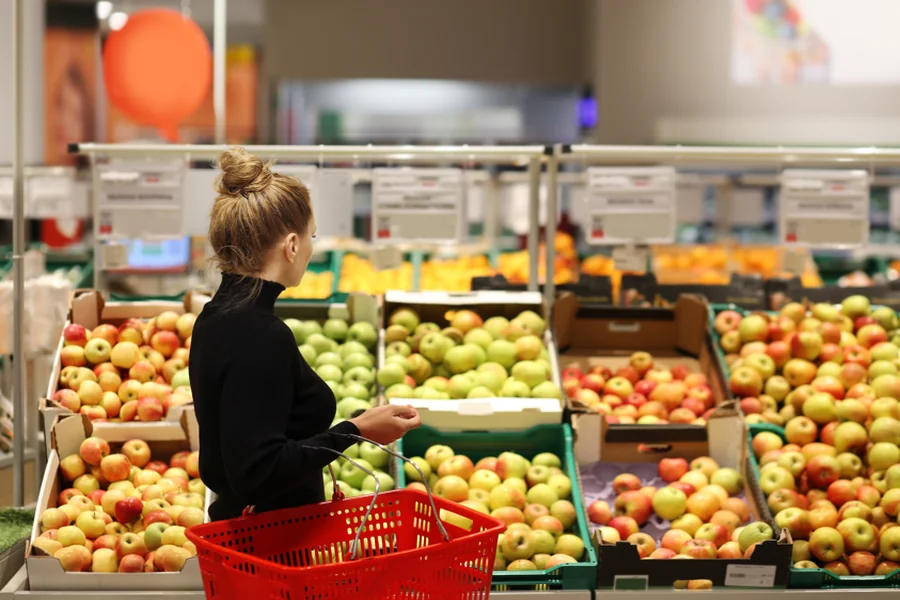
The difference between farm-fresh and grocery store ingredients has become a topic of increasing interest among consumers, chefs, and food researchers. While convenience and accessibility drive many food purchasing decisions, understanding the actual taste differences between these two sourcing methods provides valuable insight into how modern food systems affect what we eat.
Understanding the Flavor Differences
Commercial grocery store produce is selected and cultivated based on specific criteria that prioritize shelf life, visual appeal, and shipping durability. Tomatoes in supermarkets, for instance, are typically bred for uniform appearance and extended storage capability rather than flavor complexity. These varieties often exhibit consistent texture and color but may lack the flavor depth found in heritage or locally-grown varieties.
Farm-to-table ingredients come from different cultivation approaches. Local farms often grow varieties selected for taste rather than commercial shipping requirements. These plants may produce fruits and vegetables with irregular shapes or varied appearances, but they frequently offer more complex flavor profiles due to different growing conditions and harvesting practices.
Agricultural Practices and Taste Impact
The timing of harvest significantly affects flavor development in produce. Commercial operations typically harvest fruits and vegetables before full ripeness to prevent spoilage during transportation and storage. This practice allows for longer shelf life but can result in incomplete development of sugars, acids, and aromatic compounds that contribute to flavor.
Local farming operations can harvest at optimal ripeness since distribution distances are shorter. This timing allows for full development of flavor compounds, potentially resulting in more intense taste experiences. However, this also means shorter shelf life and less predictable availability.
Textural Considerations
Industrial agriculture often selects for consistent texture that can withstand mechanical harvesting, packaging, and transport. This selection process can result in produce with uniform but sometimes compromised textural qualities. Vegetables may maintain structural integrity during shipping but lose some of the natural textural variation that occurs in different growing conditions.
Small-scale farming may produce ingredients with more varied textures, as plants grow in less controlled environments and may be harvested by hand. This can result in produce with different textural characteristics, though these variations may not always align with consumer expectations formed by commercial produce standards.
Protein Quality Variations
Livestock raised in different environments and feeding systems can produce meat with distinct characteristics. Industrial livestock operations typically focus on rapid growth and consistent output, often using controlled diets and environments. This approach can produce uniform products but may result in milder flavors.
Animals raised in pasture-based systems or smaller farm operations may have different flavor profiles due to varied diets, exercise levels, and growth rates. These factors can influence both taste and texture, though preferences for these characteristics vary among consumers.
Seasonal Availability and Flavor
Modern grocery stores offer year-round availability of most produce items through global sourcing and storage technologies. This consistency comes with trade-offs in flavor, as out-of-season produce often travels long distances or spends extended time in storage, potentially affecting taste quality.
Seasonal eating aligns consumption with local growing cycles, which can mean accessing produce at peak ripeness and flavor development. However, this approach requires adapting to limited availability and seasonal variations in quality and price.
The Transportation Factor
The distance between harvest and consumption affects food quality in measurable ways. Extended transportation times can lead to nutrient loss, moisture changes, and degradation of volatile compounds that contribute to flavor. Most grocery store produce travels significant distances and may spend considerable time in storage facilities.
Locally-sourced ingredients like you can find at Frazier Farms Market typically travel shorter distances and spend less time between harvest and consumption. This reduced transit time can preserve more of the original flavor compounds and nutrients, though it may also mean higher costs and limited availability.
Consumer Experience Factors
Transitioning between different sourcing methods can reveal taste differences that many consumers don’t typically notice. Commercial produce standards have created expectations for appearance, texture, and flavor consistency that may differ from what locally-grown alternatives offer.
Farm-to-table ingredients often exhibit more variation in appearance, size, and even taste from batch to batch. This variability reflects natural growing conditions but can be unexpected for consumers accustomed to standardized products. Some find this variation appealing, while others prefer the predictability of commercial options.
Practical Considerations
The choice between farm-to-table and grocery store sourcing involves multiple factors beyond taste. Cost, convenience, availability, and storage requirements all influence purchasing decisions. Grocery stores offer consistent availability, competitive pricing, and extended shelf life. Local sourcing may provide fresher products with potentially superior flavors but often at higher costs and with seasonal limitations.
Understanding these trade-offs helps consumers make informed decisions based on their priorities, whether those focus on flavor, convenience, cost, or other factors. Neither approach is universally superior; each serves different needs and preferences in the modern food system.
The comparison between farm-to-table and grocery store ingredients reveals the complexity of modern food systems and the various factors that influence what we eat. Understanding these differences allows consumers to make more informed choices based on their individual priorities and preferences, whether those emphasize convenience, flavor, cost, or other considerations.
